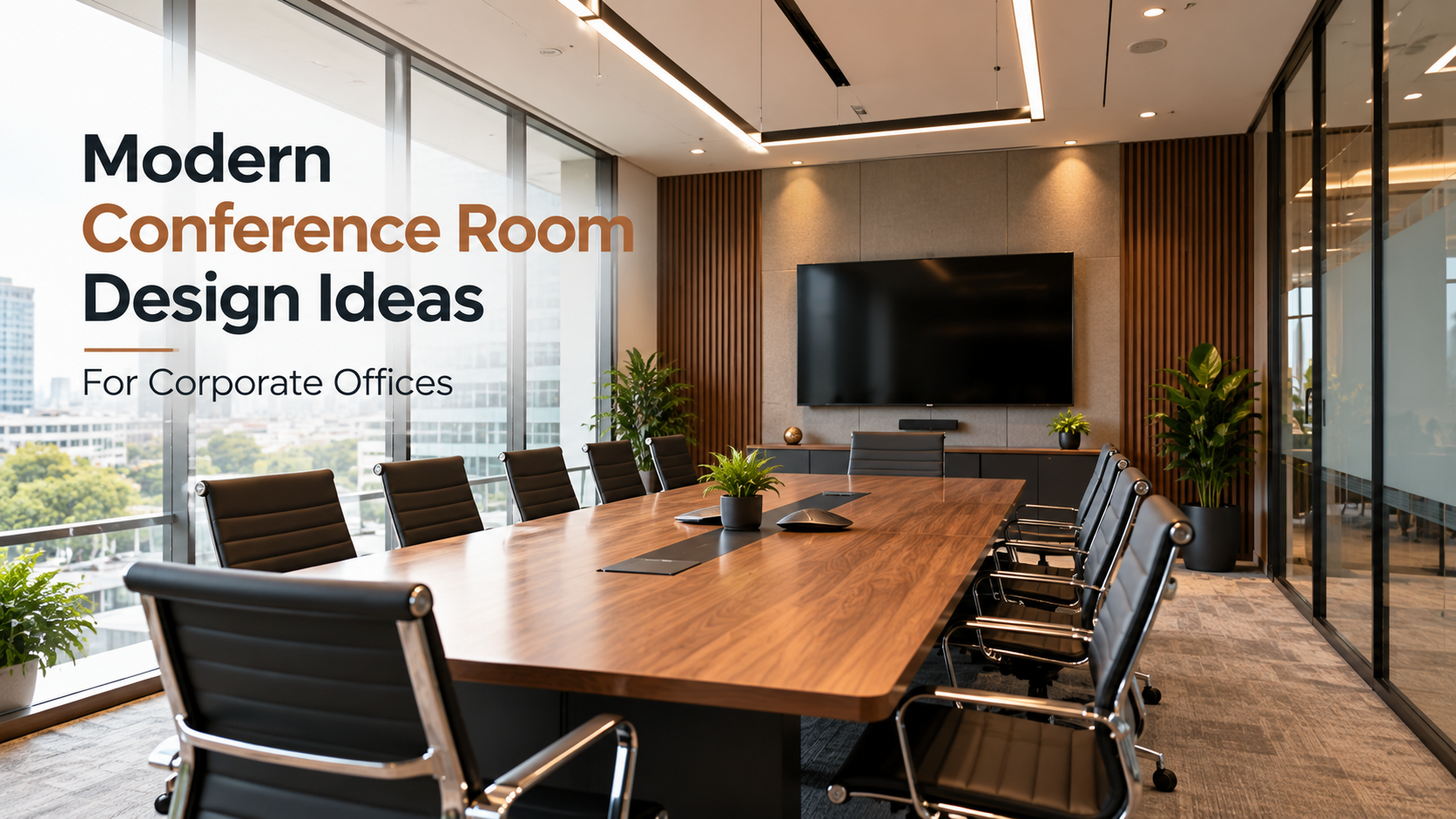
A conference room is more than just a place for meetings. It is where business strategies are discussed, important decisions are made, clients are welcomed, and teams collaborate on new ideas. A well designed conference room can improve communication, support productivity, and create a professional impression on visitors. As businesses evolve, modern corporate offices require meeting spaces that combine functionality, comfort, technology, and aesthetics. From ergonomic furniture and smart lighting to video conferencing systems and acoustic solutions, every design element plays a role in creating an effective meeting environment. If you are planning to upgrade your workplace, exploring professional Office Interior Solutions in Kolkata can help you create a conference room that reflects your company’s identity while meeting your team’s practical needs. In this guide, Decor-x explores modern conference room design ideas, essential features, and practical considerations for creating an efficient corporate meeting space.
1. Choose the Right Conference Room Layout
The layout is one of the most important aspects of conference room design. It determines how participants interact, communicate, and use the available space.
Before selecting furniture, consider the room’s dimensions, the number of regular participants, meeting requirements, and the equipment needed.
Boardroom Layout
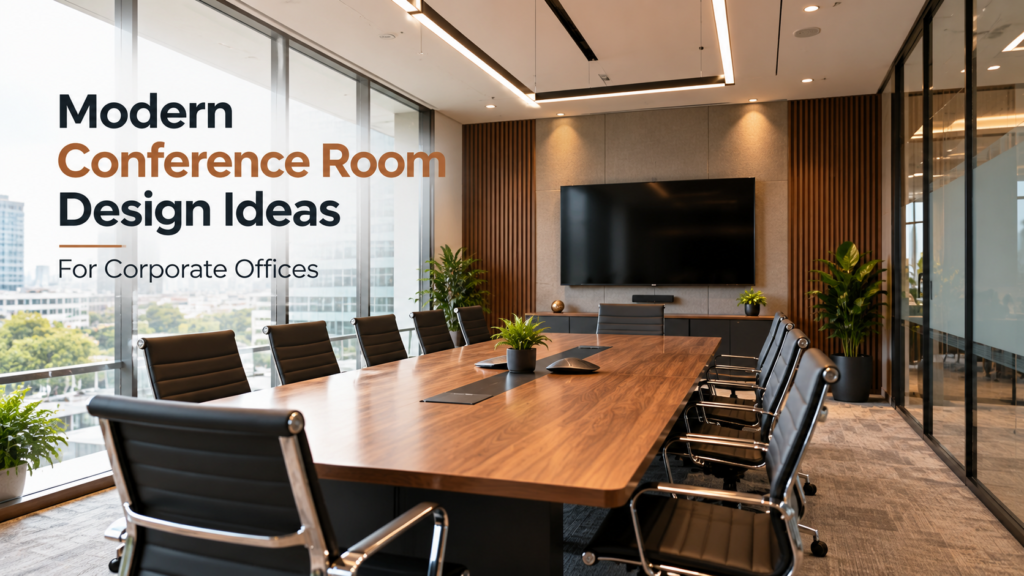
A boardroom layout typically features a large central table surrounded by chairs. It is suitable for executive meetings, client discussions, presentations, and strategic planning sessions.
This layout works particularly well for businesses that regularly conduct formal meetings and require a professional environment.
U-Shaped Layout
A U-shaped arrangement places tables and chairs in an open formation. It allows participants to see one another while keeping the front area available for a presenter or display.
This configuration can work well for training sessions, workshops, and interactive presentations.
Classroom Layout
Classroom-style seating arranges tables and chairs in rows facing a screen or presentation area. It is useful for corporate training, internal workshops, and educational sessions.
Collaborative Meeting Layout
For creative teams and collaborative businesses, flexible seating arrangements can encourage discussion and brainstorming. Modular tables and movable chairs allow the room to adapt to different meeting formats.
Design tip: Select a layout based on how your team actually uses the room instead of choosing a design solely for its appearance.
2. Invest in Comfortable and Functional Conference Room Furniture
Furniture influences both the appearance and usability of a conference room. Uncomfortable chairs, poorly sized tables, and insufficient working space can make long meetings difficult.
When planning conference room furniture, consider the following elements:
- Conference tables: Choose a size and shape that accommodate the expected number of participants without restricting movement.
- Ergonomic chairs: Support comfortable seating during extended discussions.
- Storage solutions: Include cabinets or concealed storage for documents, stationery, and meeting equipment.
- Cable management: Use integrated cable outlets and organised wiring to keep the meeting table neat.
- Flexible furniture: Consider modular tables or movable seating if the room serves multiple purposes.
Customised furniture can also help businesses make better use of unusual room dimensions and maintain a consistent corporate design language.
Professional office interior planning helps ensure that furniture, circulation space, electrical points, and presentation equipment work together effectively.
3. Use Lighting to Create a Professional Environment
Lighting affects visibility, comfort, and the overall atmosphere of a conference room. Poor lighting can make documents difficult to read and cause discomfort during video calls.
A well-planned lighting design combines ambient illumination with task lighting where necessary.
Ambient Lighting
Use evenly distributed ceiling lights to illuminate the room without creating harsh contrasts. Modern LED lighting can provide efficient illumination when appropriately selected and installed.
Natural Lighting
Where possible, make use of natural daylight to create a more pleasant meeting environment. However, direct sunlight can cause glare on screens, so window positioning, blinds, and curtains should be considered.
Presentation Lighting
Ensure that lighting does not interfere with projected presentations or display screens. Dimmable lighting can provide greater flexibility for different meeting activities. For video conferencing, consistent lighting on participants’ faces can improve visibility and create a more professional appearance on camera.
4. Integrate Smart Technology and Video Conferencing
Technology has become essential to modern corporate meetings. Many businesses now conduct hybrid meetings involving employees, clients, and partners joining from different locations. A modern conference room should support reliable communication and straightforward equipment operation.
Consider incorporating:
- Large-format displays or interactive screens.
- High-quality microphones and speakers.
- Video conferencing cameras.
- Reliable internet connectivity.
- Wireless screen-sharing facilities.
- Accessible charging points and power outlets.
- Concealed cable management.
- Easy-to-use meeting controls.
The technology should suit the size of the room and the needs of its users. A small meeting room may need only a display and a video conferencing system, while a large boardroom may require multiple microphones, dedicated audio equipment, and more advanced controls.
Planning these requirements early can reduce the need for expensive modifications later.
5. Improve Acoustics for Clear Communication
Sound quality is often overlooked during conference room planning. Echoes, outside noise, and conversations from neighbouring work areas can interrupt meetings and reduce concentration.
Acoustic design helps create a quieter and more effective meeting environment.
Useful solutions include:
Acoustic wall panels: These can help reduce sound reflections and improve speech clarity.
Carpets or suitable flooring: Depending on the room’s design, soft flooring can help reduce certain types of reflected sound.
Acoustic ceiling systems: Appropriate ceiling treatments can help control reverberation.
Door and partition sealing: Properly designed doors and partitions can help reduce unwanted noise entering the meeting room.
Furniture and soft finishes: Carefully selected finishes may contribute to better acoustic performance.
For offices with open plan workstations, acoustic privacy is especially important for confidential discussions and client meetings.
6. Create a Strong Corporate Identity Through Interior Design
A conference room often reflects how a business presents itself to clients, partners, and employees. Its design should therefore be consistent with the company’s brand identity and workplace culture. Consider incorporating brand colours, understated signage, suitable materials, and coordinated furniture finishes. For example, a technology company may prefer a clean, contemporary environment with integrated digital displays. A professional services firm may choose a more formal design with refined finishes and carefully planned lighting. Keep branding balanced. The objective is to create a polished environment that supports business discussions rather than distracting participants. A coordinated design approach can help connect the conference room with reception areas, executive cabins, workstations, and other parts of the office.
7. Make Small Conference Rooms Feel More Spacious
Not every business has a large floor area for meetings. In compact offices, careful planning can make a conference room more practical without compromising comfort. Here are some useful design strategies:
- Choose a table that fits the room and the number of regular users.
- Use glass partitions where appropriate to maintain visual openness.
- Select chairs that can be moved easily when the room is not in use.
- Install wall-mounted displays to reduce the need for bulky equipment.
- Use concealed storage to minimise clutter.
- Keep walkways clear and allow adequate space around chairs.
- Use light, coordinated finishes to create a visually open appearance.
For businesses in Kolkata’s commercial office buildings, efficient space planning can help balance meeting facilities with workstations, cabins, reception areas, and shared spaces. The goal is to use the available floor area intelligently rather than simply fitting as much furniture as possible into the room.
8. Select Colours and Materials Carefully
The colours and finishes used in a conference room influence its visual character. A coordinated palette can make the space feel professional, comfortable, and consistent with the rest of the office.
Neutral colours such as white, grey, beige, and soft wood tones can create a timeless foundation. Accent colours can be introduced through furniture, wall panels, artwork, or brand elements.
When selecting materials, consider:
- Durability and ease of maintenance.
- Resistance to everyday wear and tear.
- Compatibility with the company’s brand identity.
- Acoustic performance where relevant.
- Lighting conditions and colour balance.
- Overall project budget.
Premium-looking interiors do not always require expensive materials. Thoughtful combinations of practical finishes, well-designed furniture, and appropriate lighting can deliver a polished result.
9. Plan Storage, Power and Connectivity in Advance
A conference room should remain organised and ready for meetings. Poorly planned power points, exposed cables, and insufficient storage can make even an attractive room difficult to use. During the design stage, identify where participants will need laptop charging, display connections, video conferencing equipment, and other electrical facilities.
Consider integrating power outlets into the conference table, providing suitable wall connections, and creating designated storage for accessories and documents. Electrical and network requirements should be planned with qualified professionals and coordinated with the wider office layout. This is particularly important when renovating an existing workspace, where the location of existing services may affect the design.
10. Consider Sustainability and Energy Efficiency
Businesses increasingly consider environmental impact and long term operating costs when planning their offices. A conference room can incorporate practical sustainability measures without compromising its appearance or functionality. These may include energy efficient LED lighting, appropriate daylight management, durable furniture, low emission interior materials where available, and occupancy based lighting controls. Selecting furniture that can be repaired, reused, or reconfigured may also help extend its useful life. The right choices depend on the building, project budget, maintenance requirements, and the business’s sustainability objectives.
11. How to Choose the Best Office Interior Design Company in Kolkata
Creating an effective conference room requires coordination between design, furniture, electrical planning, lighting, technology, and project execution. When evaluating the best office interior design company in Kolkata for your project, consider the following factors.
Experience with Commercial Workspaces
Look for a company that understands office environments, meeting-room requirements, employee circulation, and the practical needs of commercial spaces.
Space Planning and Design Capability
The designer should be able to recommend a layout that supports the expected number of participants and the activities performed in the room.
Furniture and Material Selection
Ask how the proposed furniture, finishes, and materials will meet your requirements for durability, comfort, appearance, and maintenance.
Technology Coordination
Discuss how display screens, video conferencing systems, power points, lighting, and cable management will be incorporated into the design.
Project Scope and Cost Transparency
Request a clear proposal covering the scope of work, material specifications, furniture, installation, timelines, and any exclusions.
Project Execution and Communication
Understand who will coordinate contractors, manage site work, address changes, and keep you informed throughout the project. Reviewing relevant project examples, client references, and the proposed scope can help you make a more informed decision.
12. Why Consider Decor-x for Office Interior Solutions in Kolkata?
Planning a conference room involves more than selecting a table and chairs. Businesses need a coordinated approach that considers the available space, technology, furniture, lighting, materials, and daily workplace requirements.
Decor-x focuses on commercial interior design and office workspace solutions. Businesses exploring Office Interior Solutions in Kolkata can consider their project requirements, preferred design direction, available budget, and expected timeline when discussing a potential project. Whether you are creating a new meeting room, upgrading an existing boardroom, or planning a wider office interior project, define your requirements before starting the design process. A clear brief should include the number of participants, the types of meetings conducted, technology requirements, storage needs, acoustic considerations, and any future expansion plans. To discuss your commercial interior requirements, visit the Decor-x website and use the available contact information to enquire about suitable services.
Frequently Asked Questions
What are the essential features of a modern conference room?
Essential features typically include comfortable furniture, appropriate lighting, good acoustics, reliable internet connectivity, suitable presentation equipment, accessible power points, and sufficient circulation space.
How do I choose the right conference room layout?
Consider the room dimensions, expected number of participants, meeting format, and technology requirements. Boardroom layouts suit formal meetings, while U-shaped and flexible layouts can support presentations, training, and collaboration.
How can I improve the acoustics of a conference room?
Depending on the room, acoustic wall panels, ceiling treatments, suitable flooring, and properly sealed doors may help reduce echoes and unwanted noise. The best combination depends on the existing acoustic conditions.
How can a small office accommodate a conference room?
Use careful space planning, appropriately sized furniture, wall mounted displays, concealed storage, and clear circulation paths. Flexible furniture can help the room serve multiple purposes when required.
How do I select the best office interior design company in Kolkata?
Evaluate commercial project experience, design capability, material specifications, furniture options, technology coordination, cost transparency, timelines, and relevant client references before making a decision.
Why is professional conference room design important?
Professional planning helps coordinate furniture, lighting, acoustics, technology, and movement within the space. This can make meetings more comfortable, organised, and effective.
Conclusion
A thoughtfully designed conference room can support collaboration, improve communication, and strengthen the professional image of a business. The right combination of layout, furniture, lighting, acoustics, technology, and materials can turn an ordinary meeting area into a functional corporate workspace.If your organisation is planning a new